
After an accident, one of the most important parts of a personal injury claim is proving fault. Whether the injury resulted from a car accident, slip and fall, workplace incident, or another act of negligence, establishing who is legally responsible plays a major role in determining compensation.
In Oklahoma, proving fault requires evidence, documentation, and a clear understanding of how personal injury laws apply to your case. Insurance companies and opposing parties often try to dispute liability or shift blame to reduce payouts.
Knowing what evidence matters and what steps to take after an accident can help strengthen your claim and protect your rights. This guide explains how fault is determined in Oklahoma personal injury cases and what injured individuals should know throughout the process.
Understanding Negligence in Oklahoma
Most personal injury claims in Oklahoma are based on the concept of negligence. Negligence occurs when someone fails to act with reasonable care, causing harm to another person.
To prove negligence, four key elements generally must be established:
- Duty of care: The responsible party had a legal obligation to act reasonably and safely.
- Breach of duty: That party failed to meet their obligation.
- Causation: The breach directly caused the injury.
- Damages: The injured person suffered measurable losses, such as medical bills, lost wages, or pain and suffering.
For example, drivers have a duty to follow traffic laws and operate vehicles safely. Property owners have a duty to maintain reasonably safe conditions for visitors. When these responsibilities are ignored, and injuries occur, a personal injury claim may arise.
Why Evidence Is So Important
Evidence is the foundation of any personal injury case. Insurance companies and courts rely on documentation and testimony to determine what happened and who should be held responsible.
Strong evidence can:
- Support your version of events
- Demonstrate the extent of your injuries
- Establish liability clearly
- Counter arguments from insurance companies
- Increase the likelihood of fair compensation
Without enough evidence, even legitimate claims may become difficult to prove. Gathering information as early as possible after an accident is often one of the most important steps you can take.
Types of Evidence Used to Prove Fault
Several forms of evidence may help establish fault in an Oklahoma personal injury case.
Accident Reports
Police reports and incident reports often contain valuable information about how the accident occurred. Officers may document:
- Statements from drivers or witnesses
- Road or environmental conditions
- Traffic violations or citations
- Observations from the scene
Although reports do not automatically determine fault, they can strongly influence insurance investigations and legal proceedings.
Photographs and Videos
Visual evidence can provide a clear picture of the accident scene and surrounding conditions. Helpful photos may include:
- Vehicle damage
- Injuries sustained in the accident
- Road hazards or dangerous property conditions
- Traffic signs, weather, or lighting conditions
Surveillance footage, dashcam videos, or security camera recordings may also help establish liability.
Witness Statements
Neutral third-party witnesses can provide independent accounts of what happened. Their testimony may support your version of events if the other party disputes fault.
Collecting names and contact information from witnesses immediately after an accident is important because memories can fade over time.
Medical Records
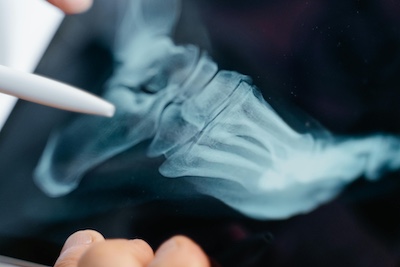
Medical documentation connects your injuries directly to the accident. Records showing diagnoses, treatment plans, and ongoing care help demonstrate both the severity of injuries and the damages suffered.
Consistent treatment and detailed records strengthen your claim significantly.
Oklahoma’s Comparative Fault Rule
Oklahoma follows a modified comparative fault system. Under this rule, compensation may be reduced if the injured person shares responsibility for the accident.
For example, if you are found 20% at fault for a car accident, your compensation may be reduced by 20%. However, if you are found to be more than 50% responsible, you may not recover damages at all.
Insurance companies frequently use comparative fault arguments to minimize payouts. They may claim:
- You were distracted or inattentive
- You ignored warnings or traffic signals
- Your actions contributed to the accident
Because of this, presenting clear evidence and avoiding statements that could be interpreted as admissions of fault is extremely important.
Common Mistakes That Can Hurt Your Case
After an injury, certain actions can unintentionally weaken your ability to prove fault.
Admitting Fault at the Scene
Even apologizing casually may later be interpreted as accepting blame. Stick to factual statements when speaking with police, witnesses, or insurance representatives.
Delaying Medical Treatment
Waiting too long to seek treatment may allow insurers to argue that your injuries were unrelated to the accident or not serious.
Failing to Document the Scene
Photos, witness information, and written notes become harder to obtain over time. Immediate documentation is often critical.
Posting on Social Media
Insurance companies may review social media posts for information that could contradict your injury claims. Avoid discussing the accident publicly online.
Avoiding these mistakes helps preserve the integrity of your claim and strengthens your position during negotiations.
How Insurance Companies Investigate Fault
Insurance companies conduct their own investigations after an accident. Adjusters typically review:
- Accident reports
- Medical records
- Witness statements
- Photos and videos
- Vehicle damage assessments
- Claimant interviews
Their goal is often to minimize liability and reduce settlement costs. Adjusters may ask leading questions or request recorded statements to identify inconsistencies.
Because insurers are trained to protect their company’s financial interests, it’s important to approach communications carefully and keep thorough documentation of all interactions.
The Role of Expert Witnesses
In some complex personal injury cases, expert witnesses may help establish fault or explain technical details.
Examples include:
- Accident reconstruction specialists
- Medical experts
- Engineers or safety professionals
- Financial experts for calculating damages
Expert testimony may be particularly useful when liability is disputed or injuries involve long-term consequences. For example, an accident reconstruction expert may analyze skid marks, vehicle damage, and road conditions to explain how a crash occurred.
Proving Fault in Different Types of Personal Injury Cases
Different personal injury cases may require different types of evidence.
Car Accidents
Evidence often includes police reports, traffic camera footage, witness statements, and accident reconstruction analysis.
Slip and Fall Accidents
Proving fault may involve demonstrating that a property owner knew—or should have known—about a dangerous condition and failed to address it.
Photos of wet floors, icy sidewalks, poor lighting, or missing warning signs can be especially important.
Workplace Injuries
Some workplace injury claims involve third-party negligence rather than standard workers’ compensation claims. Evidence may include equipment maintenance records, safety violations, or contractor negligence.
Understanding the specific legal requirements for each case type helps ensure that the correct evidence is gathered.
Why Timing Matters in Personal Injury Cases
Oklahoma has legal deadlines known as statutes of limitations. In most personal injury cases, injured individuals generally have two years from the date of the accident to file a lawsuit.
Waiting too long can make it harder to:
- Preserve evidence
- Locate witnesses
- Access surveillance footage
- Build a strong case
Acting quickly also allows attorneys to begin investigations while evidence is still fresh and available.
How Attorneys Help Prove Fault
Building a strong personal injury case often requires legal experience, investigative resources, and strategic planning. An attorney can help by:
- Gathering evidence and interviewing witnesses
- Working with experts when needed
- Communicating with insurance companies
- Challenging unfair fault allegations
- Calculating damages accurately
- Representing you during negotiations or litigation
Legal guidance also helps ensure that paperwork is filed correctly and deadlines are met throughout the claims process. Having professional representation can be especially valuable when insurers dispute liability or attempt to shift blame.
Protect Your Rights with Experienced Legal Guidance
Proving fault in an Oklahoma personal injury case requires more than simply explaining what happened. Strong evidence, consistent documentation, and a clear understanding of negligence laws all play a role in building a successful claim.
From accident reports and medical records to witness statements and expert analysis, every detail matters when determining liability and pursuing compensation.
At Fraiser, Fraiser & Hickman, we work with injured individuals and families throughout Oklahoma to investigate accidents, establish fault, and protect their legal rights. If you’ve been injured and need guidance navigating a personal injury claim, contact us today to learn how we can help you move forward with confidence and pursue the compensation you deserve.
Talk to an attorney today